
 Čeština
 Slovenčina
 Hrvatski
 Română
 Magyar
 български език
 Deutsch
 Français
 Українська
 Nederlands
 Polski
How do electronic and acoustic drums differ?
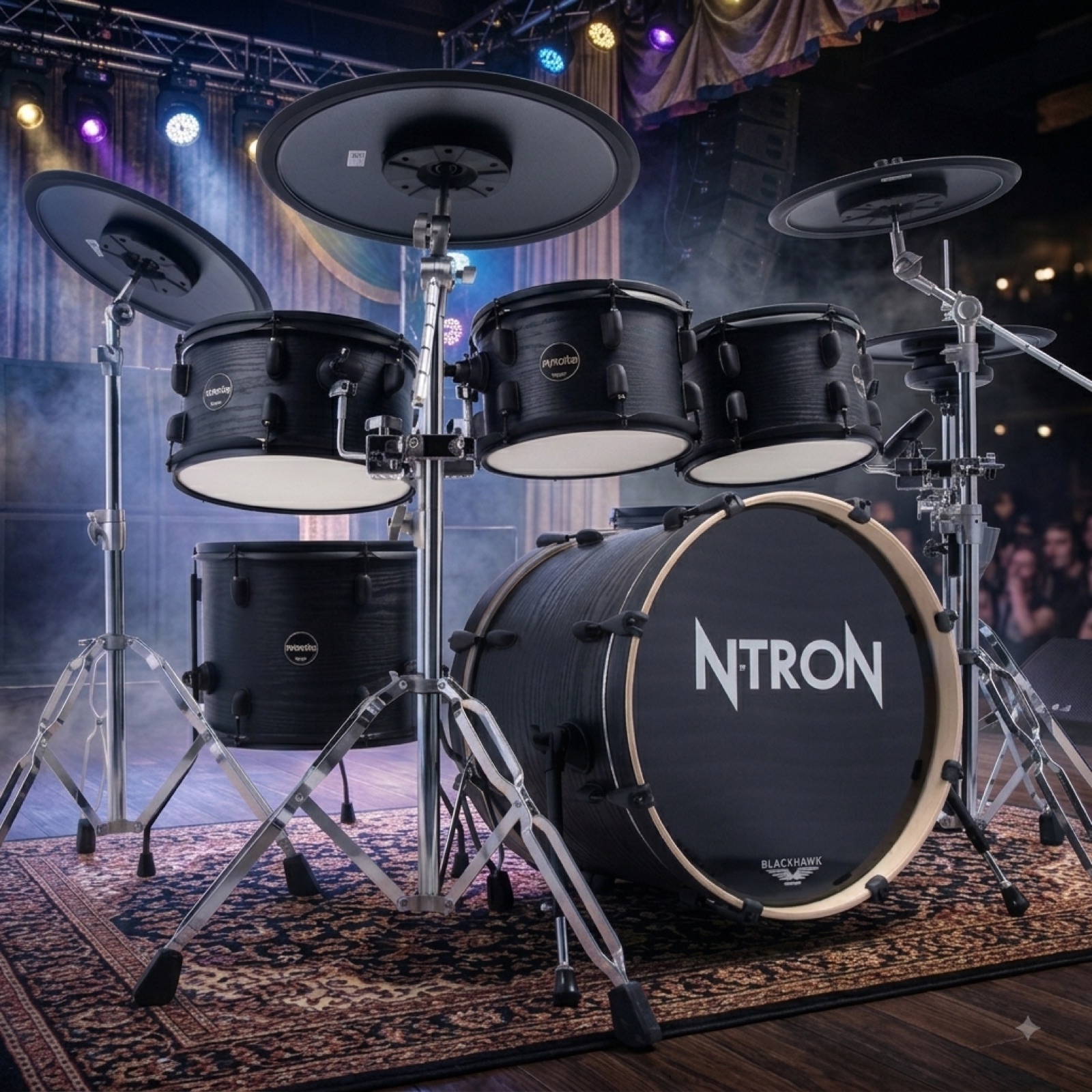
There is no right and wrong answer here — these are two different instruments that solve different problems. Below we set out the differences the way we explain them to customers across the counter, including the ones that are inconvenient for electronics.
Where the sound comes from
On an acoustic kit the sound is produced physically: the head vibrates, the shell resonates, the cymbal rings out. Every strike sounds marginally different, because it depends on the spot, the force and the angle of the stick.
On an electronic kit the strike is measured by a sensor and turned into an instruction: „play the snare sample at this volume”. Modern modules hold a dozen or more layers of recordings for a single drum, so a soft and a hard strike sound different. That is already a very good approximation, but still an approximation.
Where you feel the difference most
On the cymbals. Bronze responds differently to a strike on the edge, on the body and on the bell, and the ring can be choked by hand at any moment. Cymbal pads reproduce zones and choking, but they have their limits — a drummer with years behind them will sense those in the first minute.
On the snare the difference is subtler but audible: a ghost note on an acoustic kit has a different timbre, not merely a lower volume.
Where electronics win
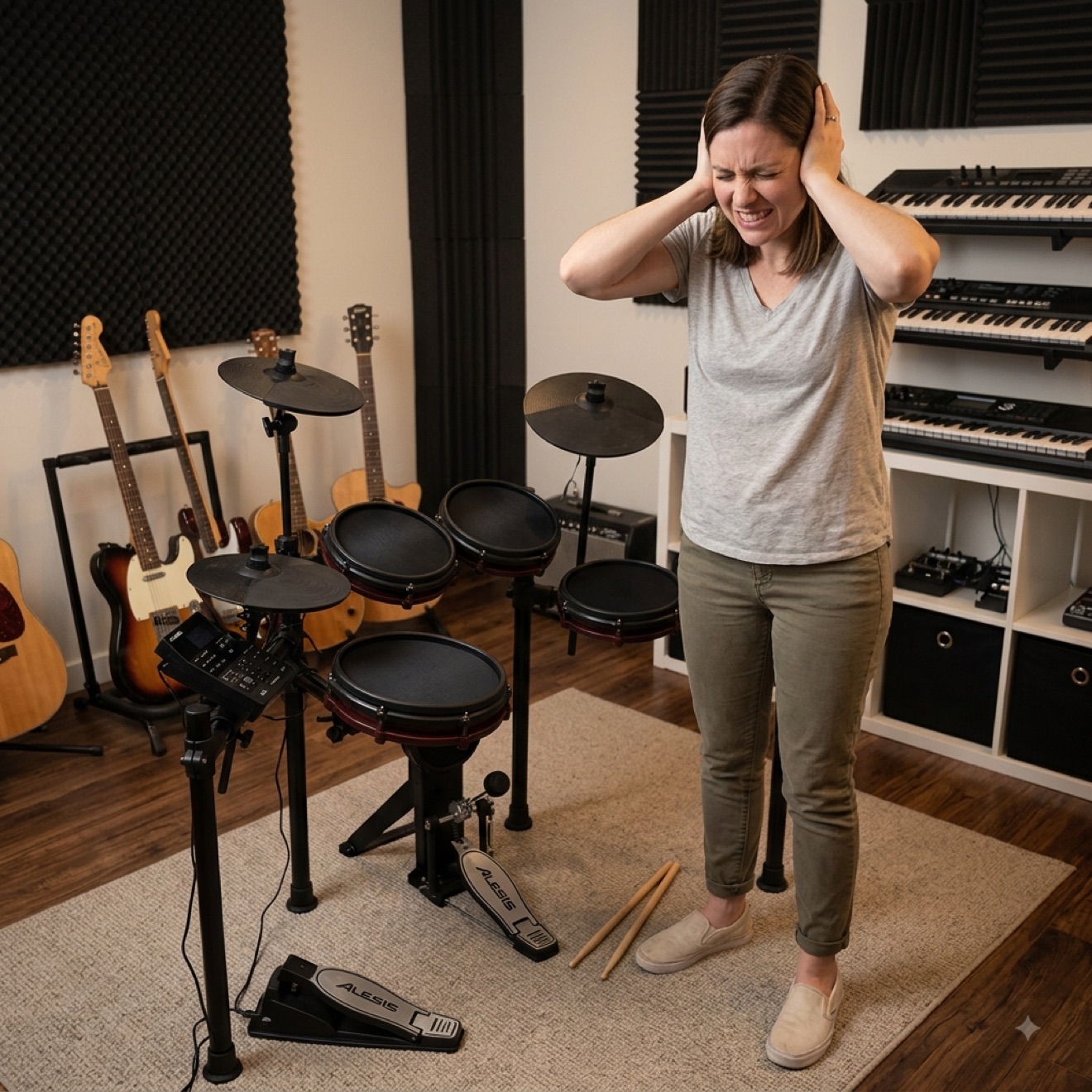
Quiet — everybody knows that one. But there are three things customers usually do not think about before buying, and which turn out to matter more.
Zero running costs. You do not tune it, you do not buy heads, you do not crack cymbals. A mesh head is replaced once every few years.
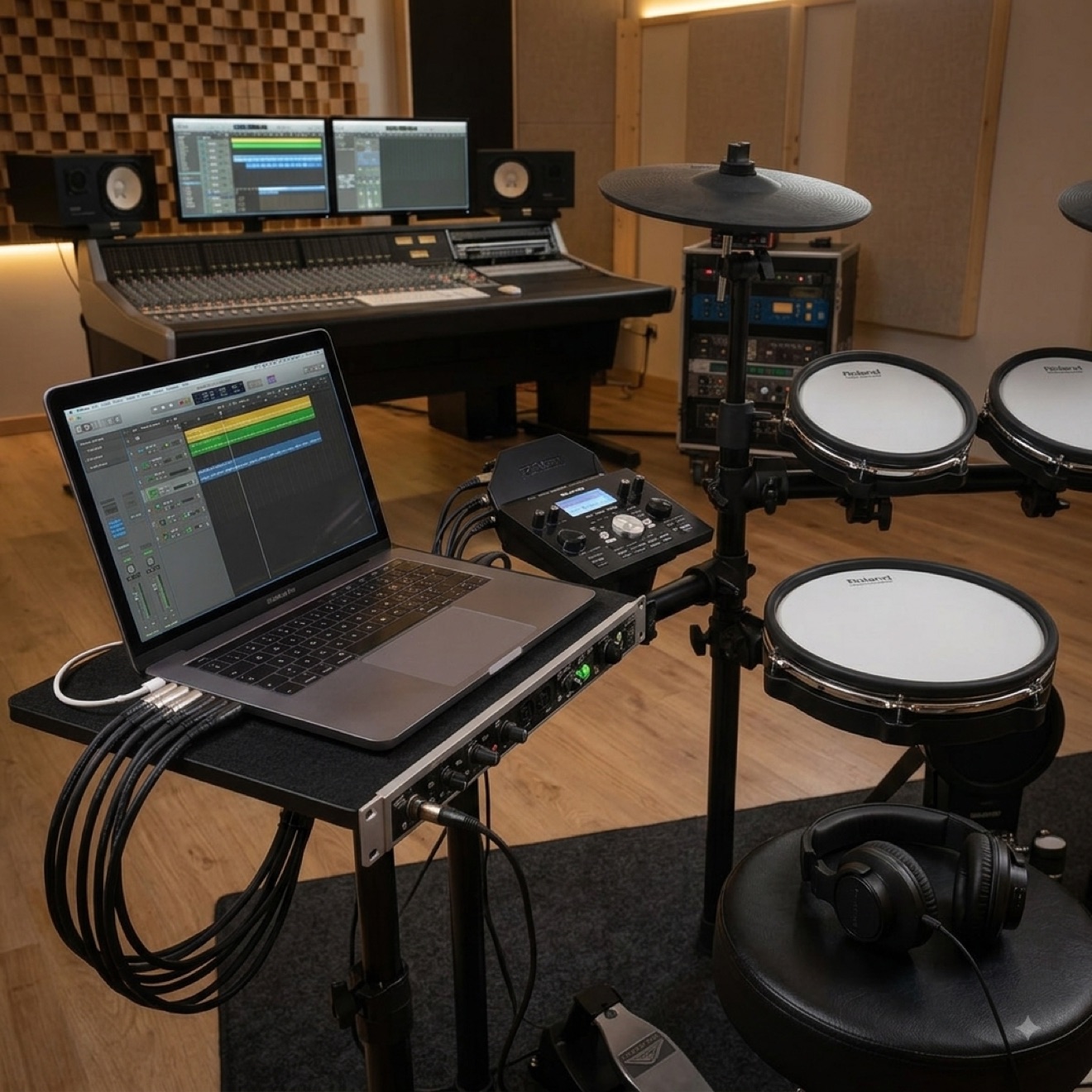
Recording without microphones. A decent recording of an acoustic kit needs several microphones, an interface and a treated room. An electronic kit you plug in over USB and you have a finished MIDI track.
Practising with a backing track. A metronome, recording and song playback are in the module, with no extra gear.
Space and transport
An electronic kit takes up less floor area and can be folded away — although in practice hardly anyone folds it daily. An acoustic kit means several separate shells, stands and cymbals; moving it means cases and a few trips to the car.
Which to choose
If you have somewhere to make noise and you want maximum realism — acoustic. If you play in a flat, in the evenings, want to record, or are only starting out and do not know whether you will stay with the instrument for years — electronic.
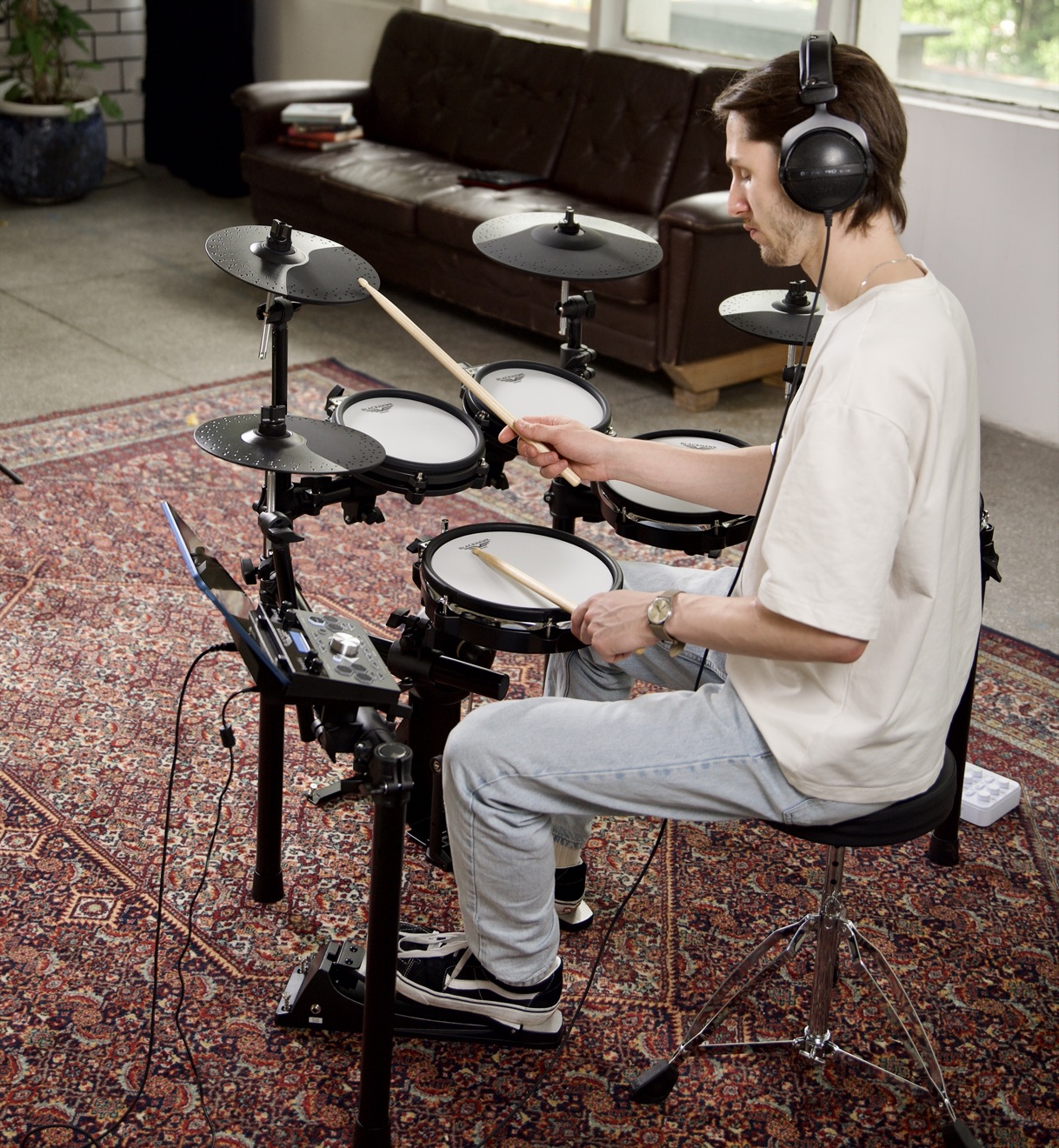
For most people starting at home, a sensible starting point is a complete kit with mesh pads, for example the Black Hawk Pulse. Players with more experience who miss a second crash and a fourth tom usually choose the Pulse Pro.
Frequently asked questions
Will I switch to an acoustic kit without trouble after an electronic one?
Hand technique, independence and time-keeping transfer completely. What takes getting used to is the different stick rebound and the work on cymbals. Drummers who play both usually talk about a few rehearsals needed to adapt, not months.
Is an electronic kit suitable for a concert?
Yes, and it is a popular solution wherever the stage is small or the sound engineer wants a clean signal without microphone bleed. You go from the module straight into the desk.
Which is more durable?
An acoustic kit, treated well, survives decades and there is practically nothing in it to break. On an electronic kit the module is the most sensitive part — it is electronics, so in theory it can fail. In practice failures are rare, and heads and pads are replaceable.
Which holds its value better?
The acoustic kit. A good one sells years later for sensible money, and cymbals can even appreciate. Electronics age faster, because new modules and better samples keep appearing.
Can the two be combined?
Yes — hybrid kits combine acoustic shells with pads and triggers. That is a solution for players who already know exactly what they miss in each instrument.
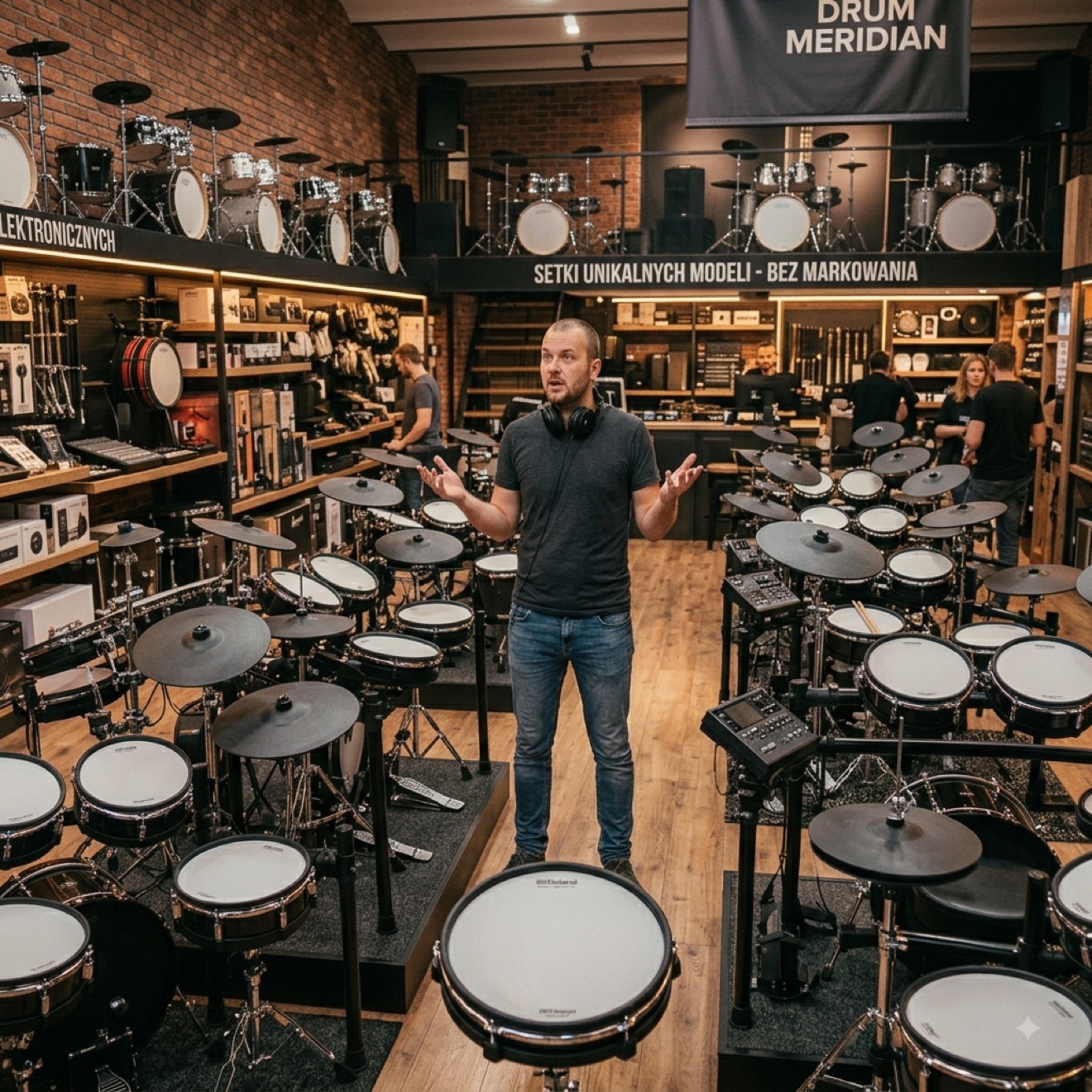
The differences are easiest to judge in practice. Have a look at our electronic drum kits, where we describe the head type, the number of zones and the hi-hat mechanism — the things that bring the feel closest to an acoustic kit.
This article was originally written in Polish and translated with the help of automated tools. If anything is unclear, please contact us.